Social Media Marketing for Car Dealerships That Works
Social Media Marketing for Car Dealerships: What Actually Works
Social media marketing for car dealerships: what actually works is a question most dealerships are still trying to answer. Posting cars alone isn’t enough anymore; buyers expect trust, transparency, and consistency before they ever enquire.
Done properly, social media becomes one of the most powerful lead generation tools a dealership can use. This guide breaks down what actually drives results, combining proven strategies with real-world insight from working with dealerships like Budgen Motors.
Why Most Dealership Social Media Doesn’t Work
Many dealerships are active on social media platforms, but activity doesn’t equal results.
The most common issues:
- Posting stock without context or storytelling
- No clear social media strategy
- Inconsistent posting
- No use of paid social media
- Lack of personality or brand identity
The result? Low engagement, weak brand awareness, and very few leads.
The Real Problem
Most dealerships treat social media as a noticeboard, not a sales channel.
What actually works is shifting from:
- “Here’s a car”
to - “Here’s why this car is right for you, right now”
That shift is what drives audience engagement and enquiries.
Social Media Marketing for Car Dealerships: What Actually Works
Let’s break this down into what actually delivers results.
1. Video-First Content
Static images are no longer enough.
High-performing dealerships prioritise:
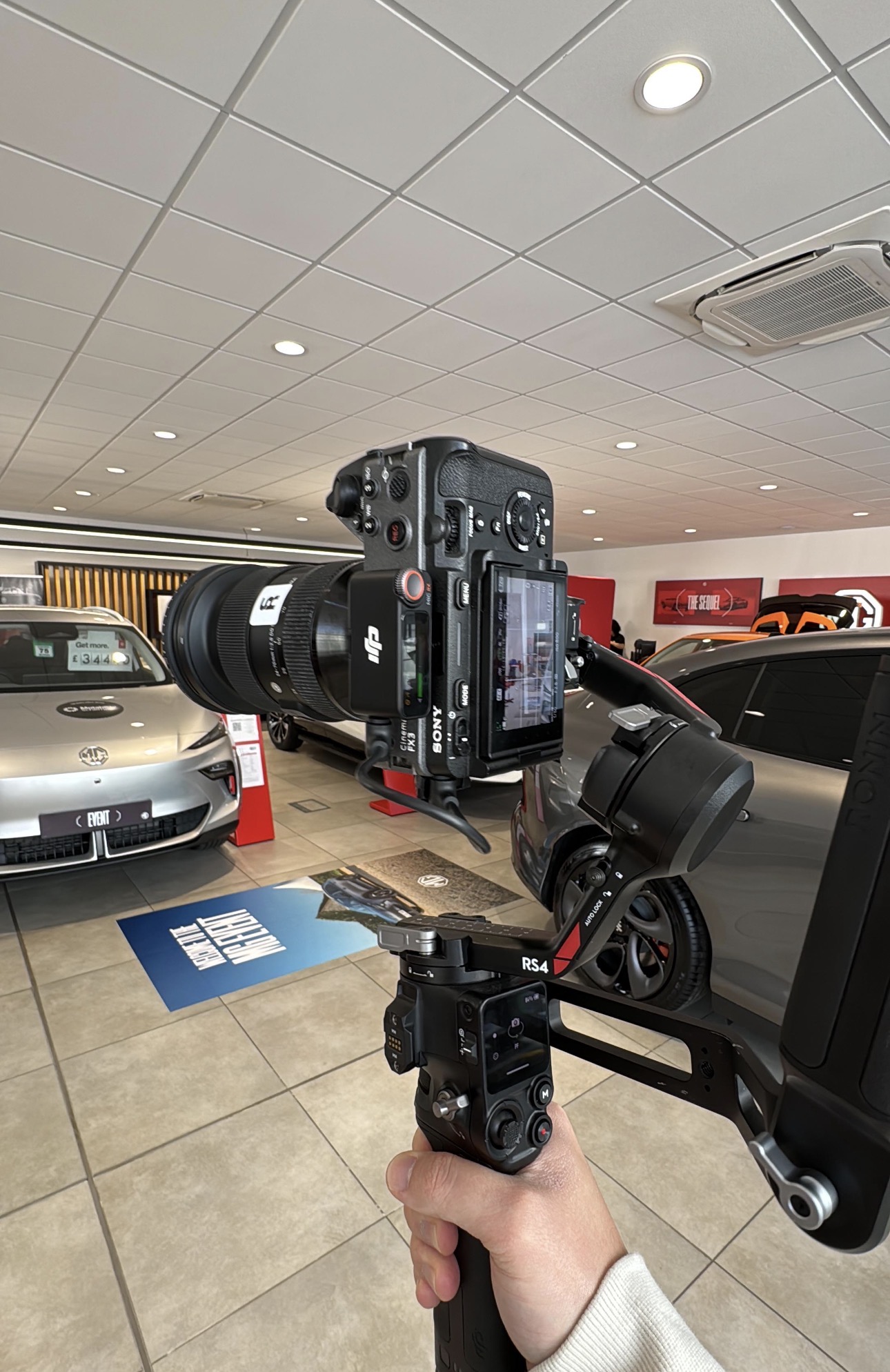
- Walk around videos
- Staff-led content
- Handover videos
- Short-form reels showing key features
Why it works:
- Builds trust
- Increases watch time
- Improves reach on social media platforms
2. Human-Led Content (Not Just Cars)
People buy from people.
Content that performs best includes:
- Sales team introductions
- Behind-the-scenes clips
- Customer handovers
- Day-in-the-life style content
This strengthens your online brand presence and builds familiarity before a customer even enquires.
3. Paid Social Media That Drives Leads
Organic social media builds trust, but paid social media generates leads at scale.
Effective dealership campaigns include:
- Lead generation forms on Meta
- Retargeting users who engaged but didn’t convert
- Location-based targeting (e.g. within 20–30 miles)
A well-structured paid social campaign often outperforms traditional advertising in both cost and targeting precision.
4. Consistency Over Creativity
The dealerships that win aren’t the ones posting viral content; they’re the ones showing up consistently.
A strong content rhythm might include:
- 3–4 organic posts per week
- Weekly video content
- Always-on paid social media campaigns
Consistency builds recognition. Recognition builds trust. Trust drives enquiries.
Case Study: What We’ve Seen Work with Budgen Motors
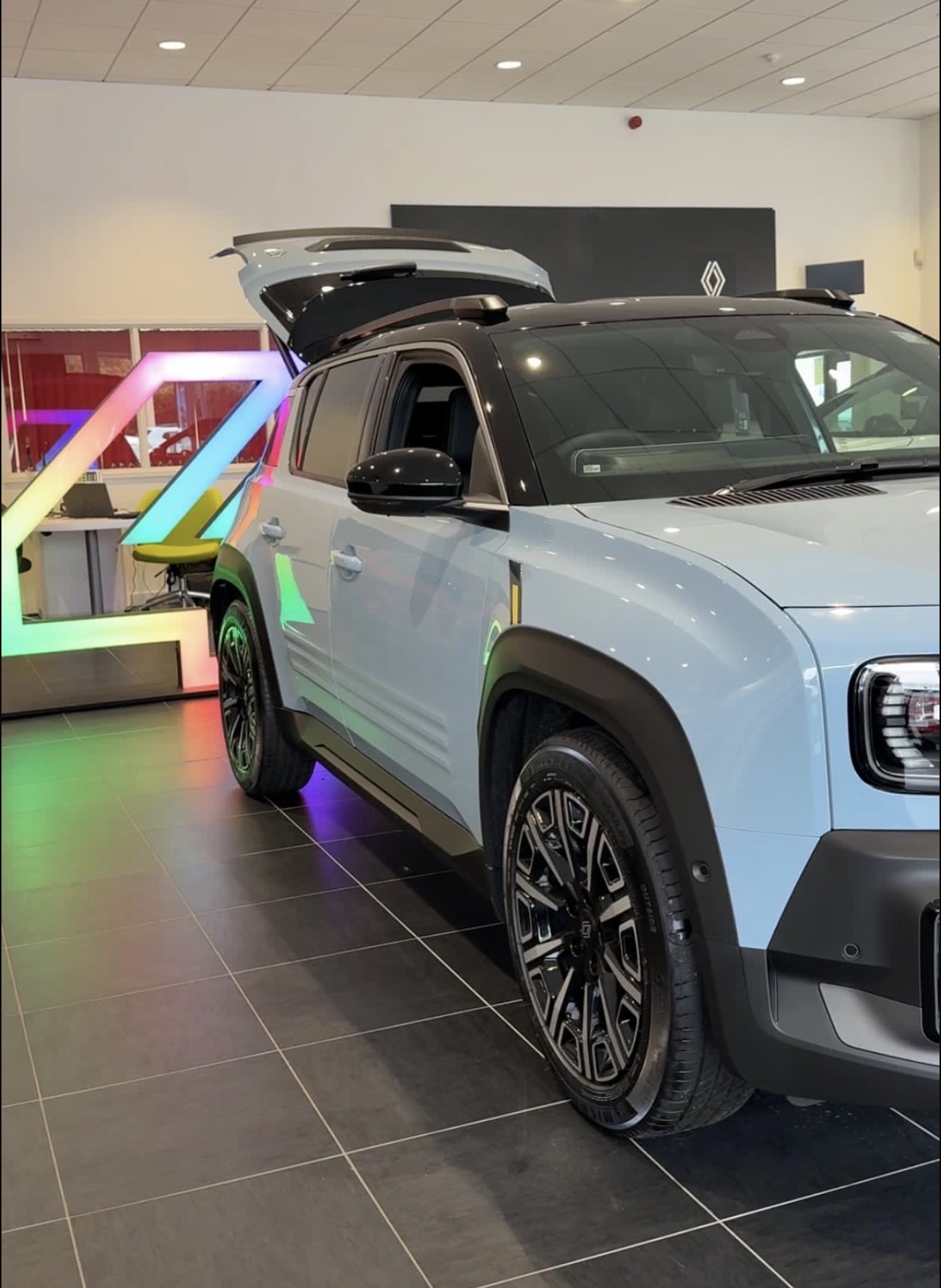
Working with Budgen Motors (Telford and Shrewsbury), the focus wasn’t just on “posting more”; it was about building a system.
The Approach
We combined:
- Organic social media content
- Paid social media lead generation
- Localised targeting per branch
- Video-first content strategy
Each branch ran its own campaigns, allowing for:
- More relevant targeting
- Better budget control
- Clearer performance insights
What Made the Difference
1. Local Targeting
Instead of broad campaigns, ads focused on:
- Specific locations (Telford vs Shrewsbury)
- Local audiences ready to buy
2. Lead Form Optimisation
To improve lead quality, we:
- Added qualifying questions
- Filtered out low-intent users
- Improved follow-up expectations
3. Retargeting Strategy
We targeted people who:
- Opened lead forms but didn’t submit
- Engaged with content but didn’t enquire
This significantly improved conversion rates.
Results and Insights
From this approach, key learnings included:
- Lead cost can be higher in automotive, but justified by high-value sales
- Video content consistently outperformed static posts
- Retargeting was critical for conversion
- Lead quality improved when expectations were set upfront
Success wasn’t instant. Performance improved over time through testing and optimisation.
How to Build a Social Media Strategy for Your Dealership
If you want results, you need a structured approach.
Step 1: Define Your Objective
Be clear:
- Leads?
- Test drives?
- Brand awareness?
Everything should align to this.
Step 2: Choose the Right Platforms
For most dealerships:
- Facebook & Instagram → primary channels
- TikTok → optional for reach and brand
- LinkedIn → limited relevance unless B2B
Step 3: Build Your Content Mix
A strong mix includes:
- 50% video content
- 30% informative posts
- 20% promotional content
This balance supports both organic social media and paid campaigns.
Step 4: Layer in Paid Social Media
Start with:
- Lead generation campaigns
- Retargeting audiences
- Clear call-to-action (enquire, book, message)
Common Mistakes Car Dealerships Should Avoid
Even with a strategy, these mistakes can limit performance:
Treating Social Media as Secondary
Social media is often the first touchpoint for customers.
It should be treated as a priority channel, not an afterthought.
Ignoring Lead Quality
Not all leads are equal.
Refining your forms and messaging improves:
- Sales conversations
- Conversion rates
- Team efficiency
Over-Relying on Organic Only
Organic content builds awareness, but without paid social media, growth is limited.
Not Tracking Performance Properly
You should always be reviewing:
- Cost per lead
- Conversion rate
- Engagement rate
Without this, optimisation is impossible.
FAQ Section
What is the best social media platform for car dealerships?
Facebook and Instagram are typically the most effective for car dealerships, especially for paid social media campaigns. They allow precise targeting and strong lead generation capabilities.
Does social media marketing really generate car sales?
Yes, when done correctly. Social media builds trust and awareness, while paid campaigns generate leads that can convert into sales through follow-up.
How often should car dealerships post on social media?
Most dealerships should aim for 3–4 posts per week, with a strong focus on video content to maximise reach and engagement.
How much should a dealership spend on social media ads?
Budgets vary, but many dealerships start with £20–£50 per day per campaign. The focus should be on lead quality and return on investment rather than just volume.
If you’re looking to improve your dealership’s marketing, the biggest shift isn’t doing more; it’s doing the right things consistently.
Whether that’s refining your social media strategy, improving your content creation, or building a paid social media system that generates leads, the right approach makes all the difference.
If you’d like to explore what that could look like for your dealership, feel free to book a discovery call with us today or explore more of our insights.


%20(2000%20x%20160%20px).png)